1. To kick things off, could you tell us a bit about your background and how art initially became such an important part of your life?
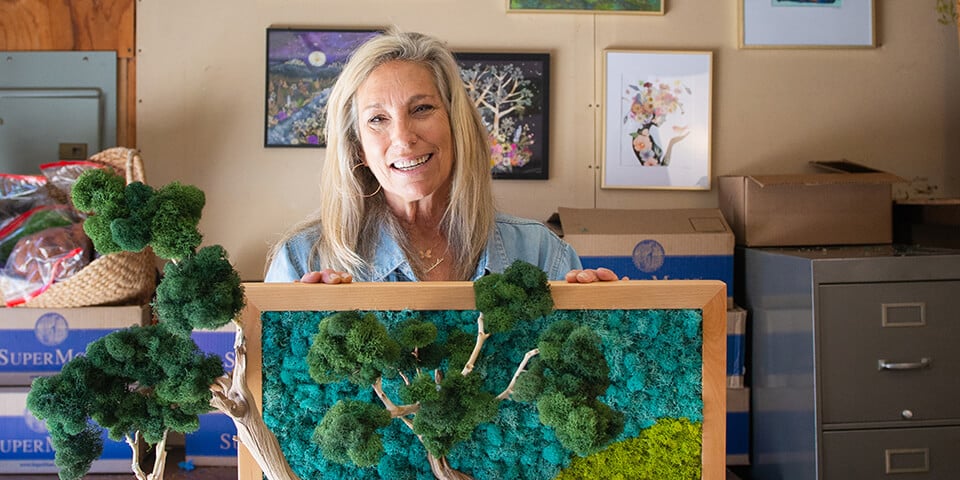
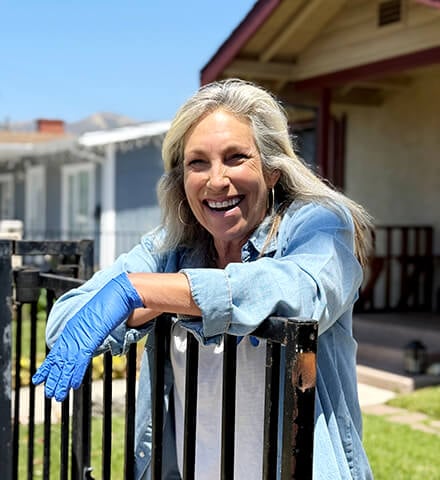
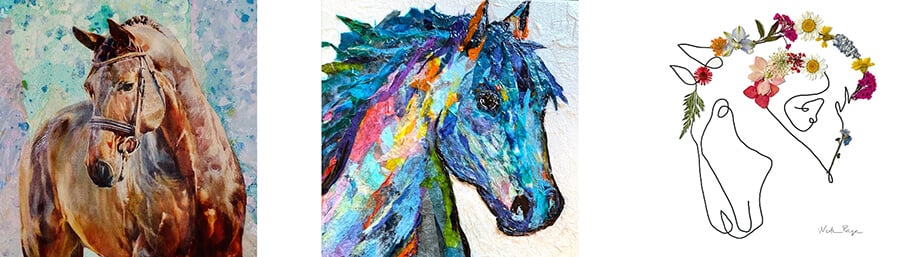
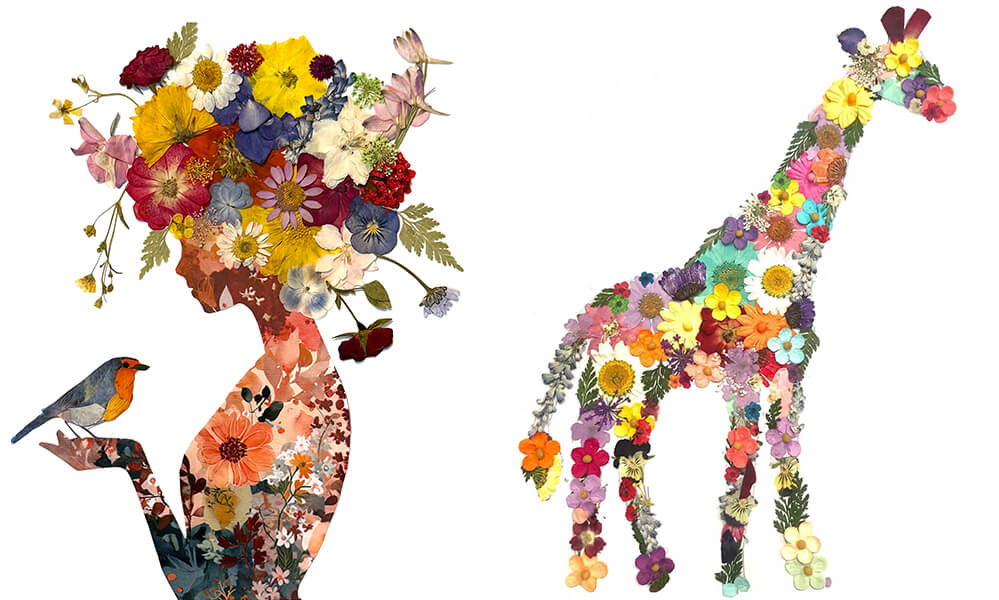
My name is Victoria Bleeden, and I have been an artist pretty much most of my life. In my former life, I was actually a competitive equestrian, but art has always been incredibly important to me. My dad was an artist on the side, so I think that’s really where my foundational love for it came from. For about the last seven years, I’ve been entirely focused on my art, working primarily as a mixed-media artist specializing in flower art—specifically dried and pressed flowers—as well as paper art. Today we are sitting in my home studio in Ventura, California, which is where I’m going to show you how I bring these pieces to life.
2. How did your relationship with SuperMoss begin, and how did you transition from a long-time customer to becoming their official in-house artist?
It was a total twist of fate! I have actually used SuperMoss products for years in my mixed-media flower art. I used to do a lot of pieces combining driftwood, dried flowers, shells, and moss, so I was already incredibly familiar with the brand and the quality of their materials.
I had absolutely no idea they were planning on opening a physical retail store. One day, I was heading to the Santa Barbara International Film Festival with a girlfriend, and as we walked past, I noticed a new space on State Street. They weren’t even officially open yet—it was a soft opening—and I just walked right in, hoping to chat with whoever was around about my flower art. I ended up meeting Melissa, and when I mentioned I had worked with moss before, she immediately said, “What? You need to meet the owner!”
The crazy part is that the owner had actually started out in dried flowers too. Because we shared this incredibly similar creative background, we bonded instantly. I showed him a couple of pieces of moss artwork I had done—though at the time, they were on a very small scale—and he just looked at them and said, “Let’s work together.” That random walk-in was how the entire collaboration happened.
3. You’ve worked with paint, paper, and delicate dried flowers. How does working with moss compare to those mediums? Is it a different kind of creative challenge?
My creative process is a blend of education, intuition, and everyday experiences. I usually start with common pain points or questions that come up in my community. From there, I build short, digestible storylines that feel inviting and helpful. Some videos are cinematic, some are conversational, and others use humor or trending sounds. I want every piece of content to be useful, warm, and approachable!
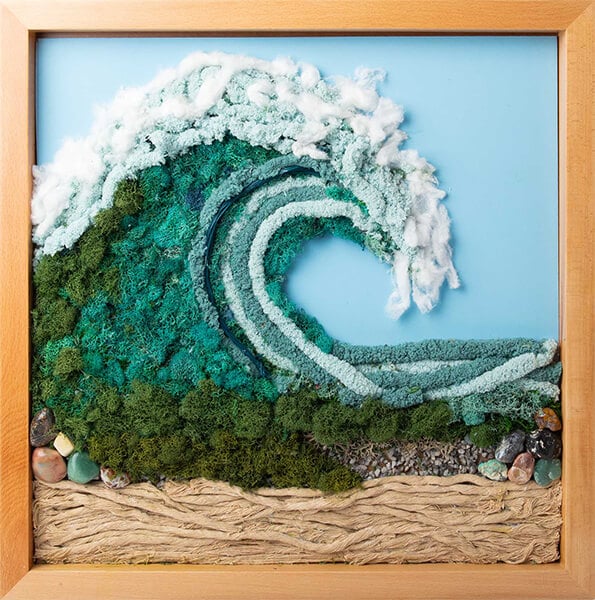
4. For someone looking at your finished pieces who has no idea how they are constructed, can you walk us through the actual step-by-step process of preparing and building a moss art piece?
It all starts with a detailed concept. I first begin with an idea in my head, and then I research it thoroughly so I have a very solid grasp of the vision before I ever lay out a single piece of material. Our building process follows a structured sequence to ensure the natural elements hold their form perfectly:
1. Frame and Base Preparation
We always start with our custom-built wooden frames. A sturdy cardboard backing is laid down inside the frame to serve as the structural canvas.
2. Sketching the Layout
I map out the design directly onto the backing. If it’s a free-flowing landscape, I’ll do a very rough sketch of the geography. If it’s a highly intricate subject—like a detailed horse’s face—I sketch it out with meticulous precision.
3. Textural Layering
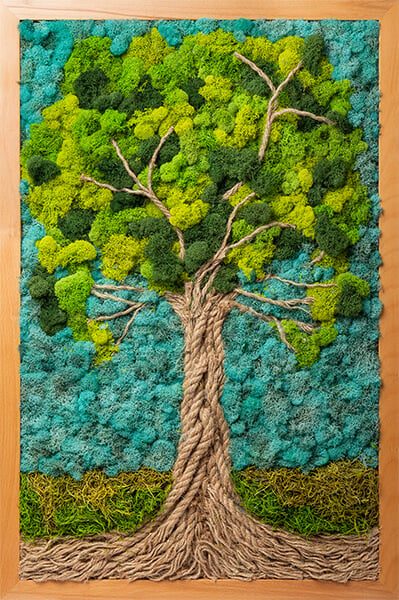
I select and place the moss based on the depth it needs to create. For a landscape, I pack the moss incredibly tight to form rigid, defined mountains, while using loose, fluffy segments to mimic clouds.
4. Adhesive Application
Every piece is bonded securely using hot glue. It is an incredibly messy process—I find myself covered in glue strings by the end of every day—but it is hands-down the best adhesive for ensuring the heavy moss stays permanently attached.
Depending on the sheer scale and intricacy of the project, a single piece can take anywhere from one full day to several weeks of steady work. Quality takes time, and this kind of art simply cannot be rushed; it has to be completely methodical.
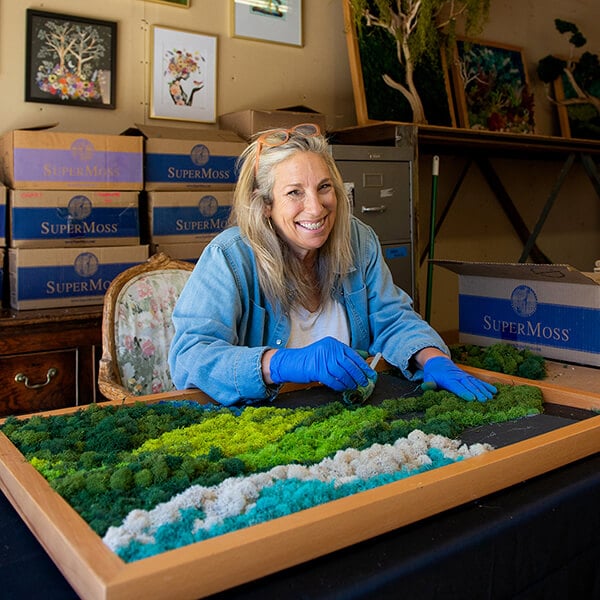
5. SuperMoss is known for its wide variety of botanical colors. How much does having access to that diverse palette impact your work?
Oh, it helps immensely! Having all those different colors readily accessible completely changes what’s possible on the canvas. In fact, the owner and I have talked about expanding our color line even further in the future to create some brand-new, unique shades. More colors mean more depth, better gradients in landscapes, and more room to play.
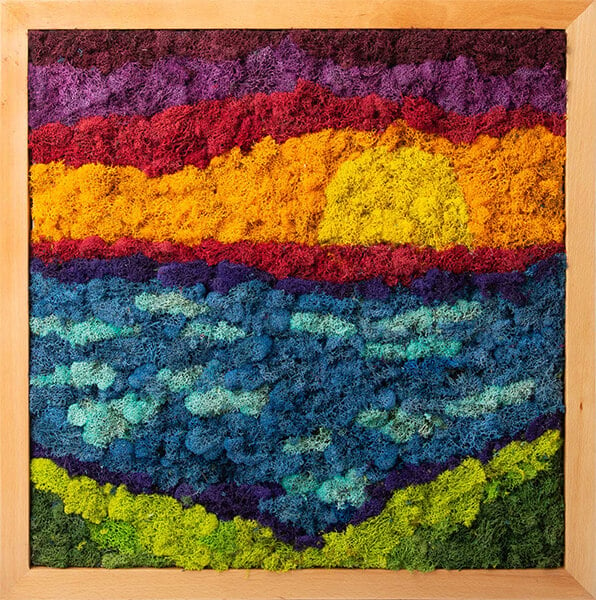
6. Where do you typically find your inspiration? Is your process mostly spontaneous, or do you keep a structured sketchbook?
My inspiration comes from a mix of everywhere. A lot of it just sparks inside my own head or comes directly from observing my natural surroundings out here on the coast. However, I’m also incredibly lucky to have friends and family who frequently pitch great ideas that I can take and expand upon.
I’ll also see an image on Pinterest or Instagram that catches my eye. I never replicate those images verbatim, but they act as a catalyst that allows my own creative process to flow. It’s less about a strict sketchbook and more about letting the sights around me filtered through my own imagination.
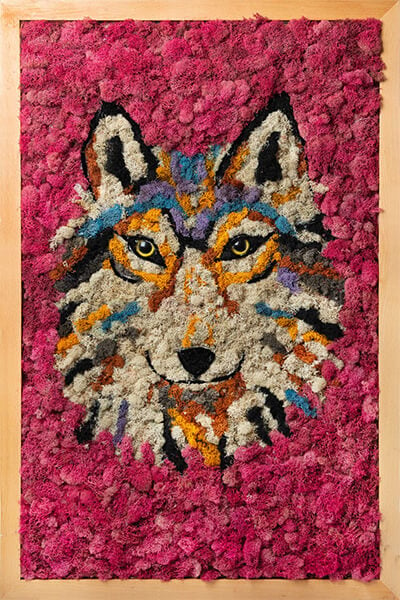
7. SuperMoss is now offering workshops to the public. Do you think this medium is accessible to everyday people, and what do you hope they get out of trying it?
I absolutely do. Like any art medium, anybody can learn to work with moss—it’s just a matter of what level you want to take it to. There is a way for anyone to pick it up simply and enjoy it.
I think it’s an exceptionally fun, distinct medium, particularly for people who want to create something beautiful that brings the outside into their home. We get to work with this stunning, natural product that requires absolutely zero watering, yet it looks completely lush and alive on your wall. Workshops are a fantastic way to introduce people to the material, teaching them how to utilize moss to create something uniquely theirs, whether that’s a framed wall piece, a terrarium, or an element for a larger home decor project.
If you’re ever in the Santa Barbara area, come check us out. We have some beautiful things waiting for you—including my art.
Find Victoria online at:
and…
I visited the store in SB and absolutely LOVED Victoria’s creations…….I would LOVE to take a workshop and learn how to do a moss picture. I’m hoping she or someone who knows the steps will begin having workshops…… I don’t live in the area but really would love to learn and would make my way up for a workshop! Such beautiful, colorful and fun creations!
Lisa
Absolutely love Victorias creations, so detailed and creative. We checked out the store and were impressed with all the different colors of moss.